Writing
Essays on retrieval, agents, evaluation, model architecture, and research practice.
Writing
Essays for technical practitioners. Follow on Medium →-
 What OpenAI’s 719 Math Papers Mean for Data Science TDSNew
OpenAI released 719 machine-generated math papers in 372 groups of related results. Some touch everyday data-science work: matching messy text, choosing representative examples, generating comparison data and fitting models. A read of what the results say about how choices of accuracy, distance and randomness set the computation, storage and data a method needs.
-
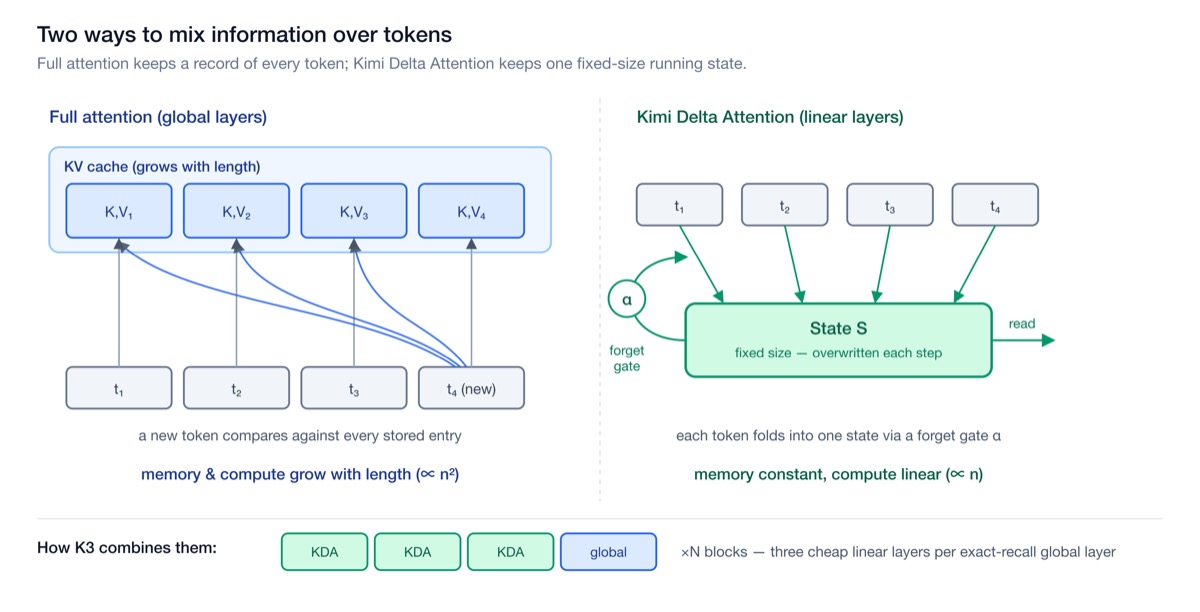 How a Frontier Model Gets Built, Read from the Kimi K3 Report TDS
Moonshot's Kimi K3 is a 2.8-trillion-parameter open-weight model that ranks near the top of third-party leaderboards — yet the report shows most of the work isn't the architecture. A read of what actually separates a frontier model: linear attention and sparse mixture-of-experts routing, the environments that grade tasks, reward models built to resist gaming, multi-teacher distillation, and a serving stack that stays cheap at scale.
-
 Mathematical Experiments Are Becoming Abundant Through Human-Machine Teaming TDS
A weekend spent on two open problems with parallel agents, exact-arithmetic verifiers and a proof assistant. Hadamard 668 resisted every route and stayed open. Maxwell's equilibrium problem yielded a proof candidate: Lean checks its algebraic core, no specialist has read it, and its novelty is unestablished. The experiments were cheap. The knowledge was not.
-
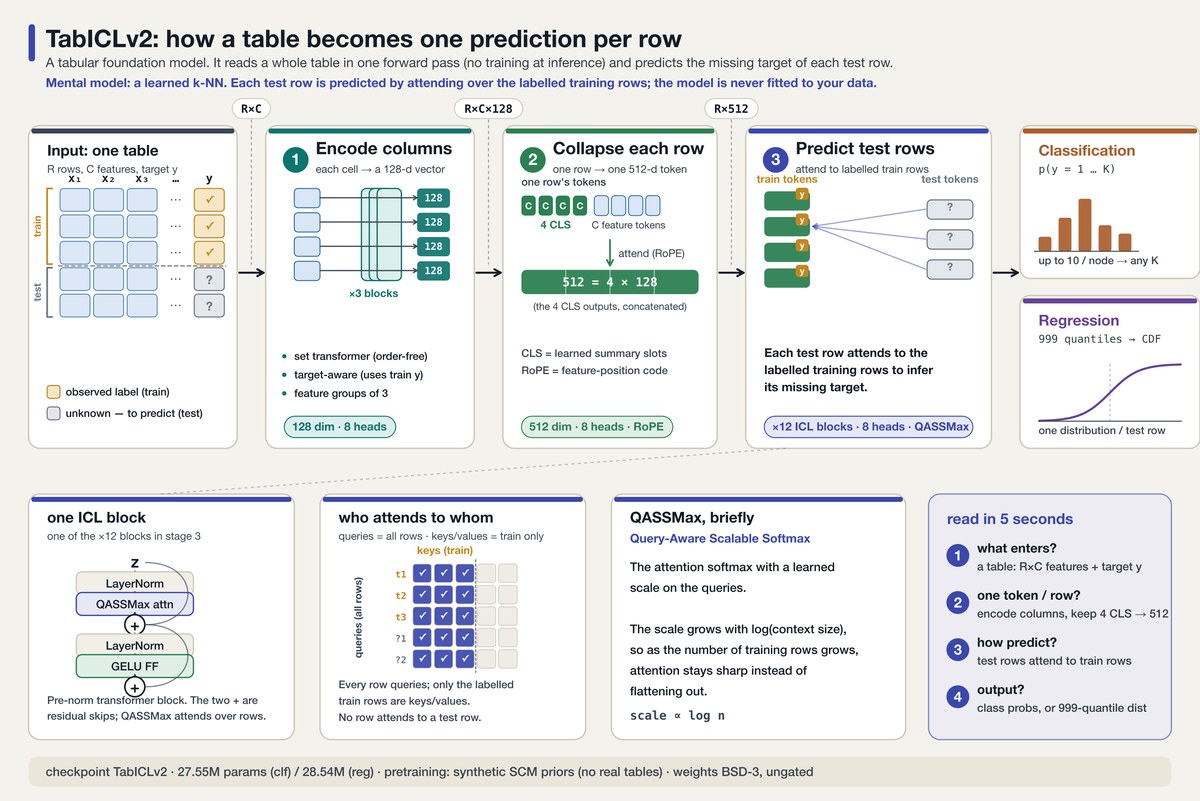 Tabular LLMs: An Introduction to the Foundation Models That Predict Your Spreadsheet TDS
A 28M-parameter transformer you never train beats a tuned XGBoost on tabular data. An introduction to tabular foundation models — how in-context learning on rows and columns works, and an independent reproduction of TabICLv2 on TabArena.
-
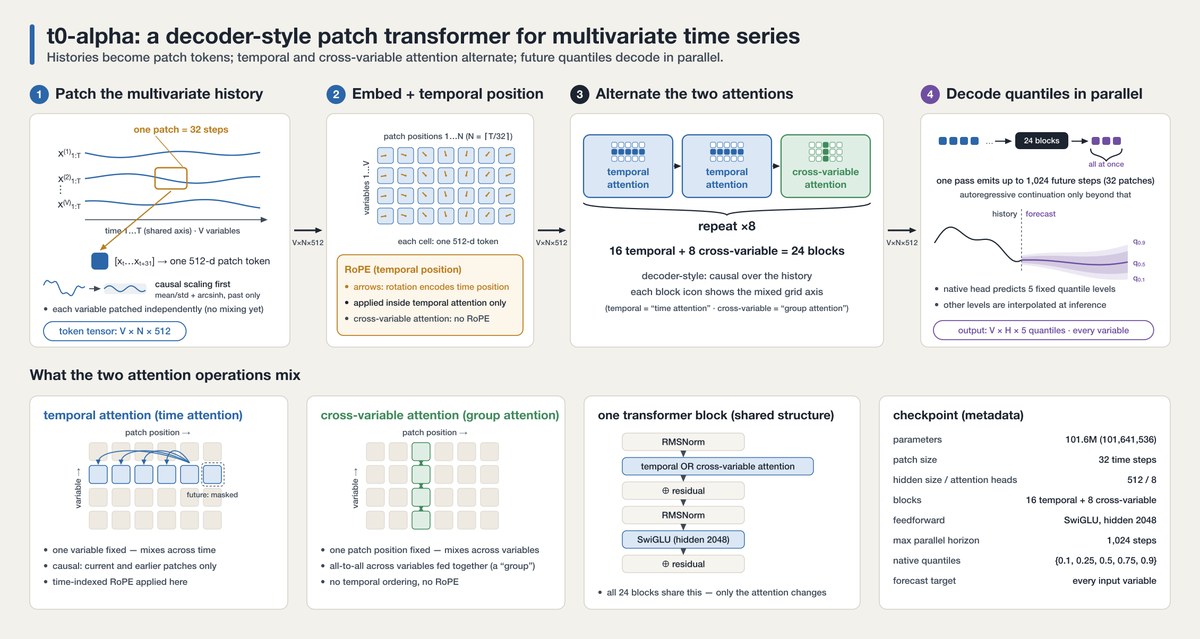 Time-Series LLMs, Explained with t0-alpha TDS
How time-series foundation models forecast, using patches and quantiles. Where t0-alpha lands on GIFT-Eval, and what its reproducible result says about the field.
-
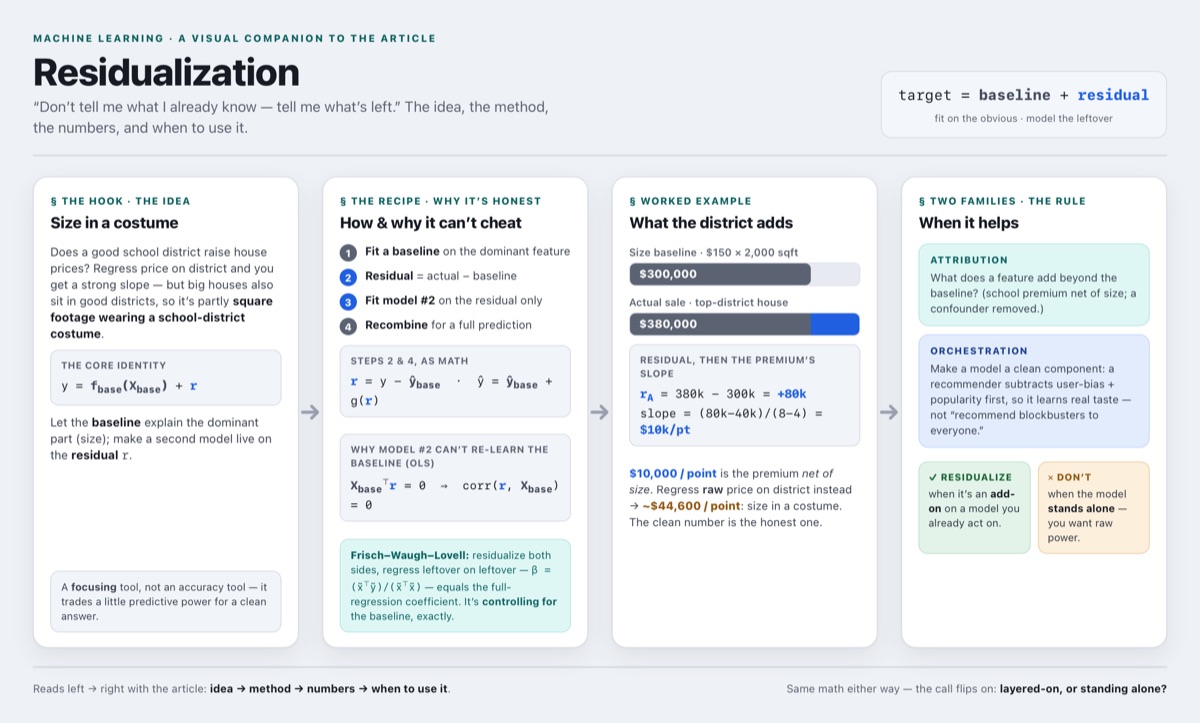 Residualisation in AI: Estimating What a Feature Adds After the Baseline Medium
Fit a baseline, then model only the part it leaves unexplained — don't tell me what the baseline already knows. Residualisation isolates a feature's unique contribution, giving clean attribution when effects are confounded and modular designs where each model adds genuinely new signal.
-
 Token Spend Is Infrastructure, Not Impact Medium
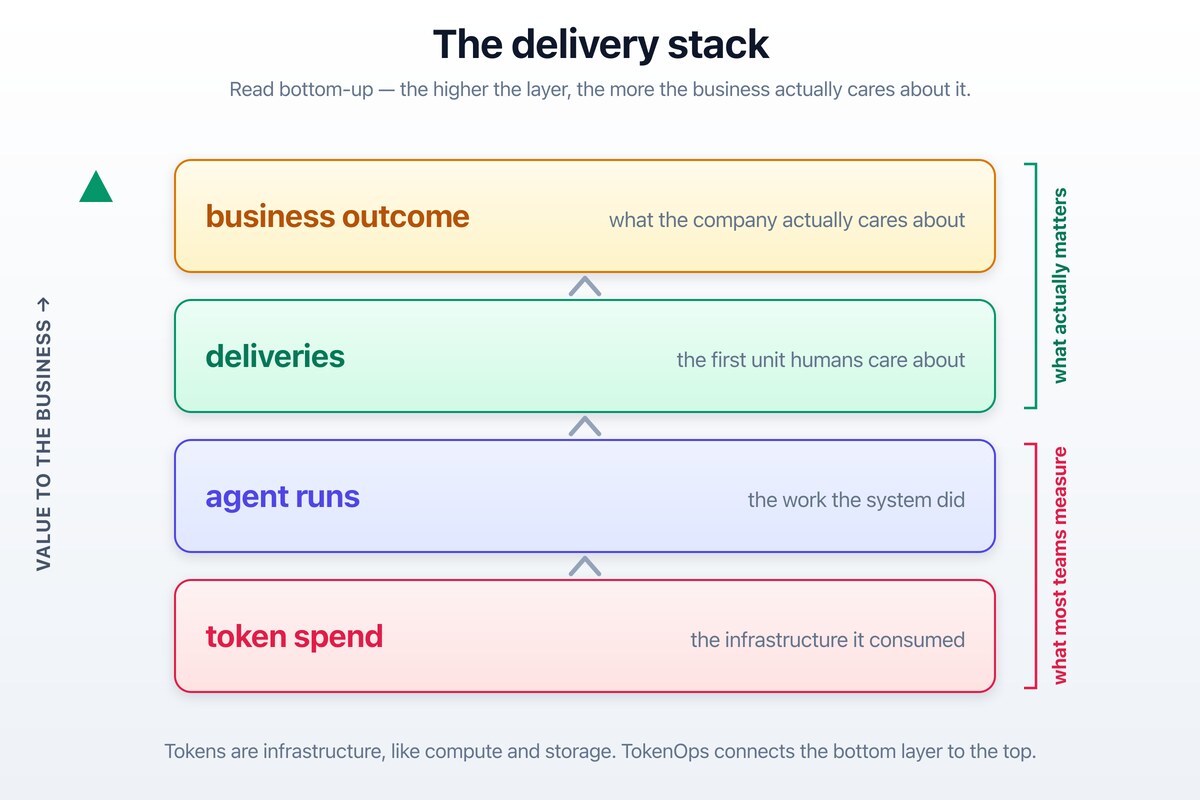
Token consumption is an input, not an outcome — like CPU hours or a cloud bill. Borrowing the FinOps playbook, TokenOps connects AI spend to delivery, so the question shifts from how many tokens you burned to what those tokens produced.
-
 ICLR 2026 Test of Time: DDPG and the Jump to Continuous Control Medium
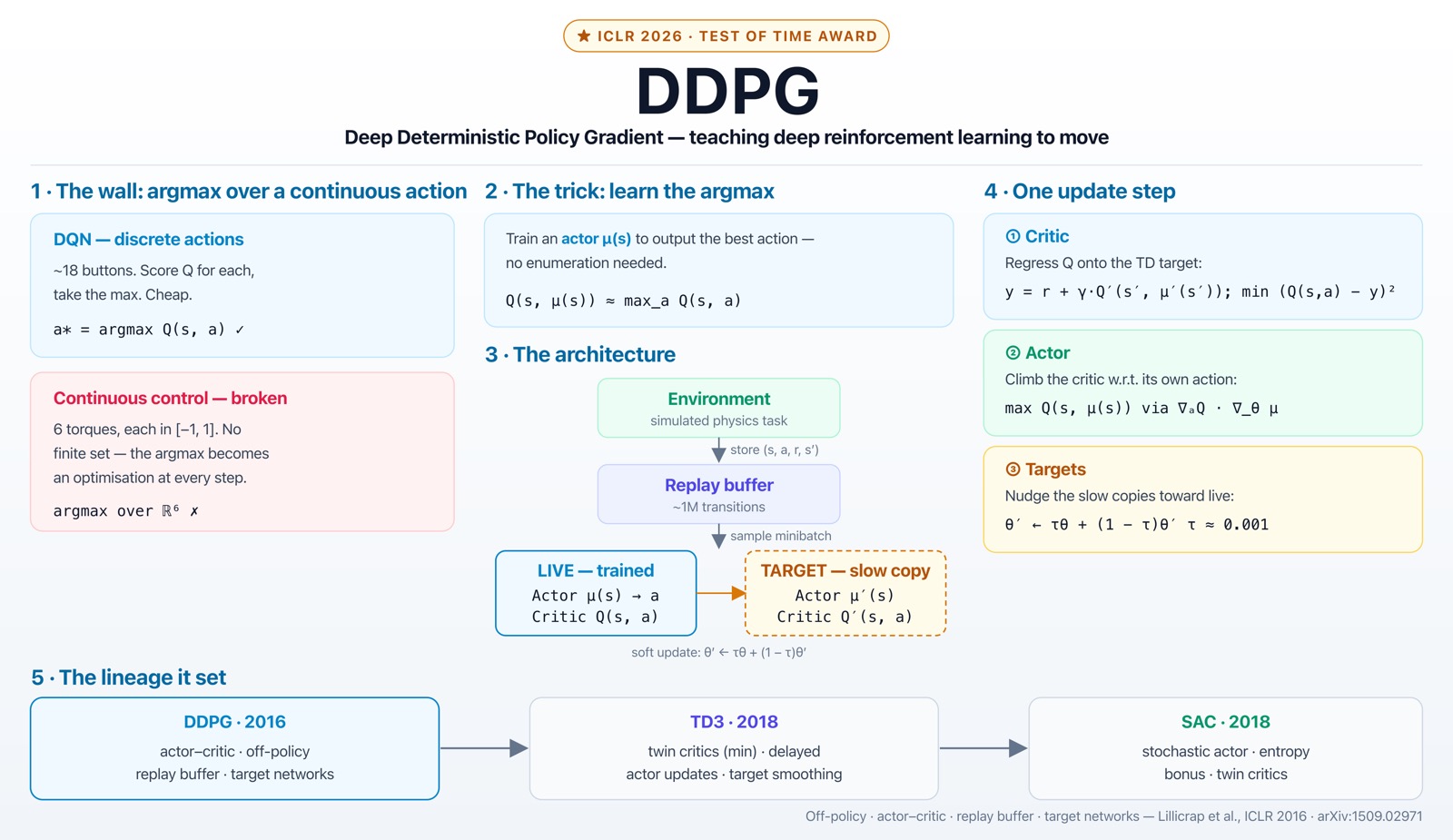
Deep Deterministic Policy Gradient in full: the maths, a code sketch, the implementation details that decide whether it trains at all, and the off-policy actor-critic algorithms it grew into.
-
 AI Has Made Research Cheap. Understanding Is Still Expensive. Medium
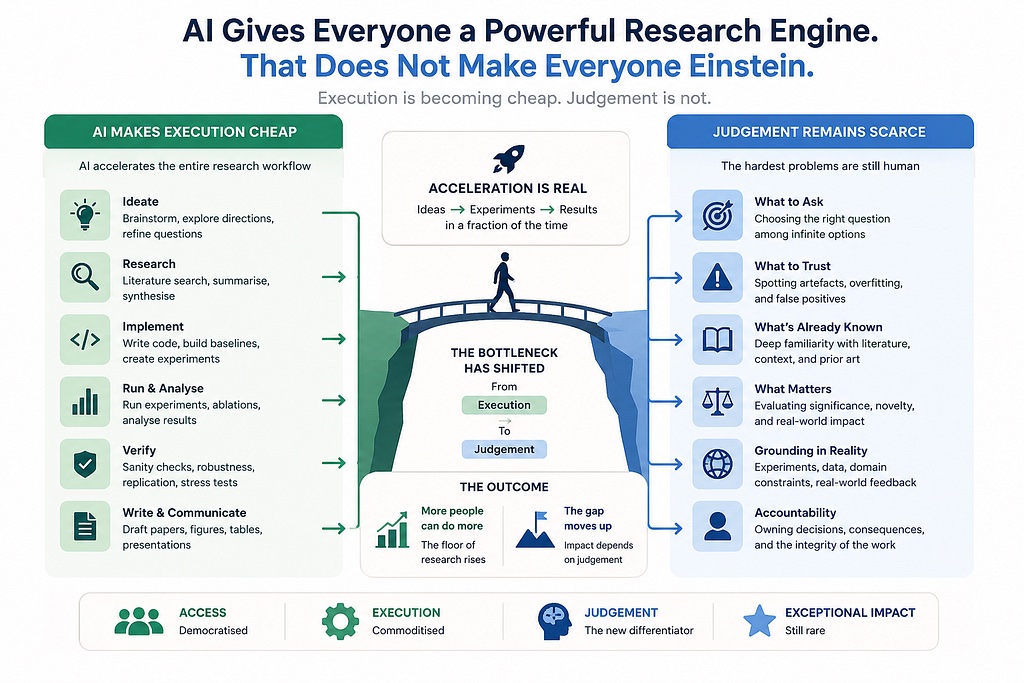
AI has collapsed the cost of research execution — literature review, coding, analysis — but not the cost of scientific judgement. As execution commoditises, the scarce skill becomes choosing the right questions, recognising flawed results, and verifying claims.
-
 Bayesian Networks and Markov Networks: An Intuitive Guide to Structured Uncertainty Medium
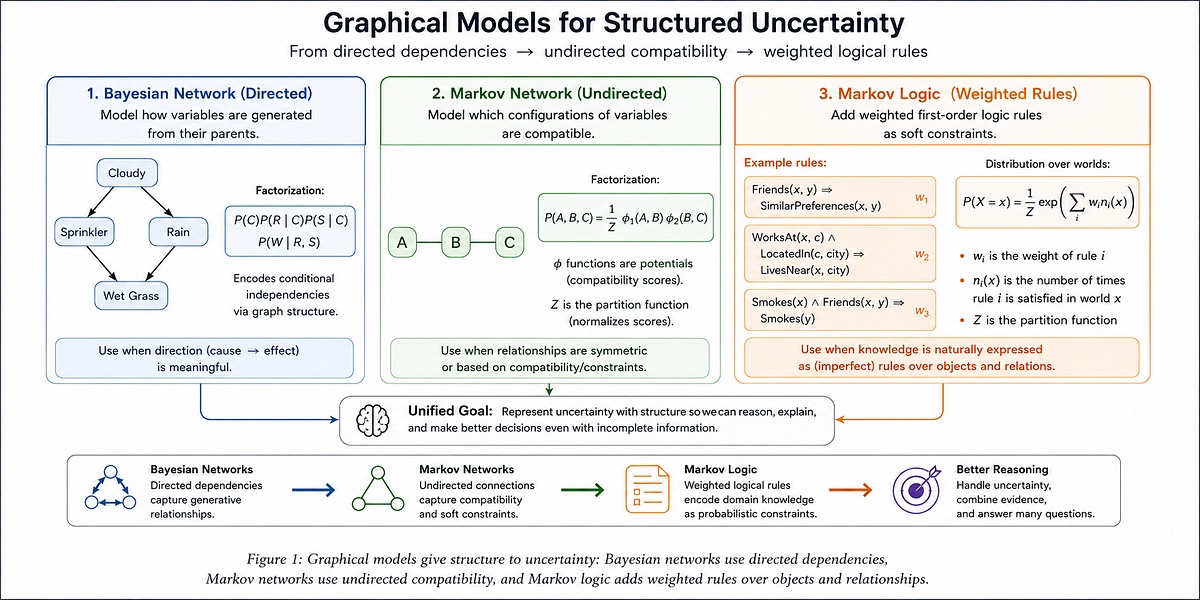
Representing uncertainty in structured systems, through directed Bayesian networks and undirected Markov networks. Runs from foundational concepts through practical inference to the weighted logical rules of Markov logic.
-
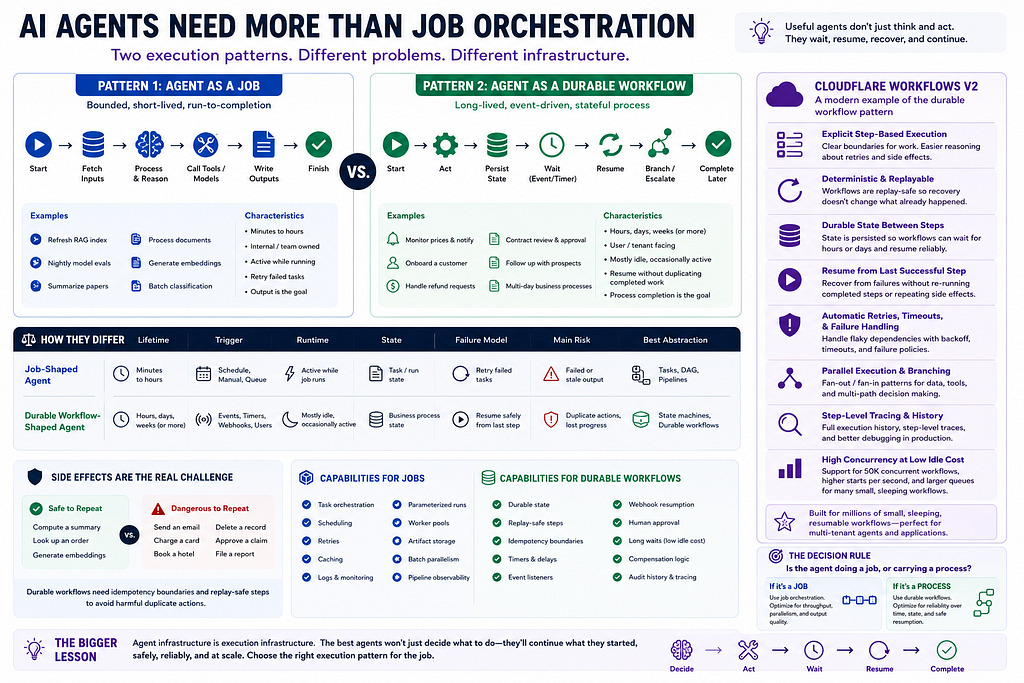 AI Agents Need More Than Job Orchestration Medium
Not all agents are jobs with a clear endpoint. Durable workflow agents carry long-lived processes through time, handling waits, retries, failures and real-world side effects with persistent state and event-driven resumption.
-
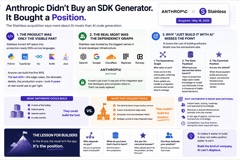 Anthropic Did Not Buy an SDK Generator. It Bought a Position in the AI Stack. Medium
Stainless built an SDK generator — something any AI can replicate. What it couldn't replicate was the dependency graph, the production edge cases, and the canonical position. When the moat isn't the app, it's who relies on you.
-
 Every Company Can Buy AI. Few Are Learning to Use It Medium
Many enterprises treat AI as a procurement problem — why the real challenge is building internal capability to evaluate and adapt AI systems, not just buying them.
-
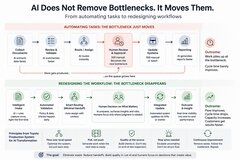 The Bottleneck Moves: What Toyota Can Teach Us About Enterprise AI Medium
Speeding up individual tasks rarely makes an end-to-end process faster — it shifts the constraint elsewhere. A reading of JPMorgan's AI-transformation experience through the lens of the Toyota Production System, and what it implies for workflow design in knowledge work.
-
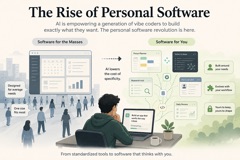 The Coming Age of Personal Software Medium
When software becomes cheap to create, it no longer has to be generic. What changes once applications can be shaped around an individual instead of an average user.
-
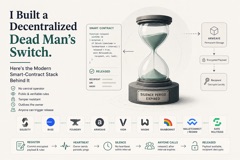 A Decentralized Dead Man's Switch: The Modern Smart Contract Stack Behind It Medium
Walkthrough of a decentralised dead-man's-switch built on a modern smart-contract stack: the components involved, the trust assumptions, and the design choices that hold it together end to end.
-
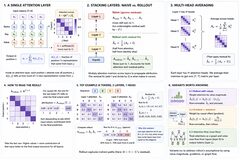 Attention Rollout: How It Works, and Why It Doesn’t Apply to Closed-API Agents Medium
How attention rollout composes per-layer attention matrices into a single input-to-output attribution map, what it does and doesn't tell you about a transformer's internal computation, and why none of it reaches an agent you can only call through a closed API.
-
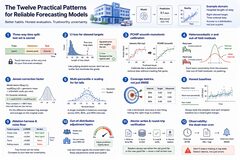 Twelve Reliability Patterns From a Weekend Forecasting Project Medium
Practical lessons from time-series forecasting: split design, leakage, calibrated baselines, drift detection, and the recurring failure modes of naive models.
-
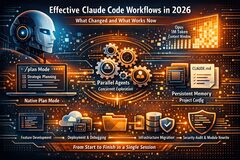 Effective Claude Code Workflows in 2026: What Changed and What Works Now Medium
How to get the most out of Claude Code today, why the harness around the model matters more than the model alone, and what to drop from the 2025 playbook.
-
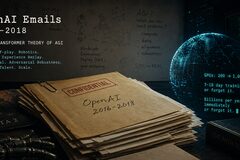 Before ChatGPT: The 2017 OpenAI Emails Are a Time Capsule from the Pre-Transformer AGI Race Medium
The released OpenAI emails, read as a record of how AGI strategy looked in the year before the transformer architecture reshaped the field.
-
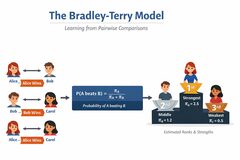 Learning from Pairwise Preferences: An Introduction to the Bradley-Terry Model TDS
The 1952 statistical model behind chess ratings, A/B test ranking and the reward model in RLHF, derived from first principles with a working implementation.
-
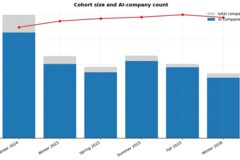 I Analyzed Every YC Company From Winter 2024 to Winter 2026 Medium
Two years of Y Combinator batches read as a signal about the AI market: which categories are growing, which are commoditising, and where founders are positioned against consensus.
-
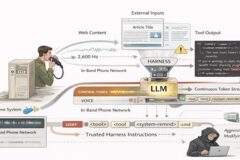 LLM Agents Are Still in the Age of Phone Whistling Medium
Current LLM-agent frameworks sit at an early, exploratory stage analogous to phone phreaking. A sketch of the more durable engineering patterns underneath them.
-
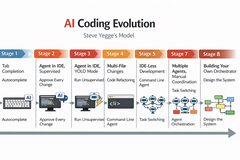 Software Development After the IDE Medium
An agent shipped a prototype end-to-end while I was at the coffee shop. What the IDE becomes when the inner loop runs without you, and what the developer's job becomes instead.
-
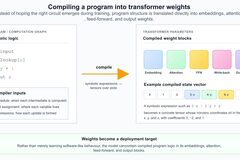 I Built a Tiny Computer Inside a Transformer TDS
The computational "circuits" that emerge inside transformer attention layers, with a hand-traced example of a model reasoning across several steps.
-
 What the Bits-over-Random Metric Changed in How I Think About RAG and Agents TDS
Accuracy and recall rank RAG and agent systems poorly. Bits-over-random compares them better, which changes how you choose between embedders.
-
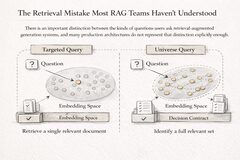 Why Some RAG Queries Cannot Be Solved by Vector Search Alone Medium
Some production RAG queries have answers that dense similarity cannot reach at all. Why that happens, and the hybrid retrieval patterns that address it.
-
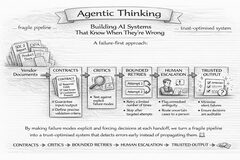 Agentic Thinking: Building AI Systems That Know When They're Wrong Medium
Self-evaluation, uncertainty calibration, and abstention as first-class design choices in multi-agent systems, and how each one contributes to operational reliability.
-
 The 17× Error Trap in Bag-of-Agents Architectures TDS
Errors compound 17× in "bag-of-agents" architectures. The structural choices that limit that compounding.
-
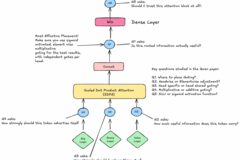 NeurIPS 2025 Best Paper Review: Qwen's Systematic Exploration of Attention Gating TDS
Close reading of the NeurIPS 2025 Best Paper on attention gating: what the ablations show, how attention sinks behave, and what it means for inference cost.
-
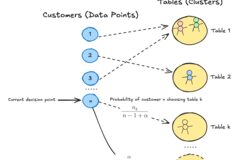 How the Distance-Dependent CRP Learns Its Own Number of Clusters Medium
Nonparametric clustering of deep embeddings with the Distance-Dependent Chinese Restaurant Process, for settings where you do not know the number of clusters in advance.
-
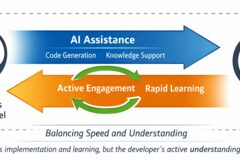 Thinking Clearly With AI: On Judgement, Drift, and Software Craft Medium
How to keep your engineering judgement intact when an AI assistant is doing more of the writing — a personal "internal KL divergence" check for when you're drifting from your own thinking.
-
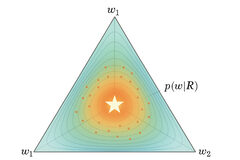 How Relevance Models Foreshadowed Transformers for NLP TDS
Victor Lavrenko's relevance models, traced through cross-encoder reranking to modern attention, drawing out the continuities between classical IR and the transformer.
-
 Applying Kahneman's Noise to AI-Assisted Decisions TDS
Kahneman's "Noise" applied to AI-assisted decision making: where calibrated models reduce variance, where they amplify it, and how to tell which is happening to you.
-
 From Tokens to Theorems: Building a Neuro-Symbolic AI Mathematician TDS
Pairing an LLM with a symbolic proof assistant to do mathematics neither side manages alone. What the architecture looks like, and where it still fails.
-
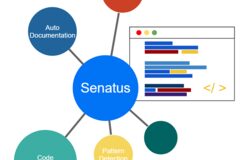 Senatus AI: Code-to-Code Recommendation at JPMorgan JPMC
The JPMorgan engineering blog on Senatus, an internal code-to-code recommendation engine built on De-Skew LSH that scales sub-linearly across very large codebases.